Yurt Camping and Glamping Guide: Comfort in the Wild
Discover everything you need to know about yurt camping and glamping guide essentials, from choosing the right yurt to understanding the booming market for luxury outdoor stays. This guide covers trends, practical tips, and what makes yurts a top choice for nature lovers seeking comfort.
Table of Contents
- What Is Yurt Camping and Glamping?
- The Growing Market for Yurt Glamping
- Choosing the Right Yurt for Your Glamping Experience
- Setting Up and Operating a Yurt Glamping Site
- Frequently Asked Questions
- Comparison: Yurt vs. Tent vs. Cabin Glamping
- Practical Tips for Yurt Camping and Glamping
- Key Takeaways
Key Takeaway: A yurt camping and glamping guide is a comprehensive resource for anyone looking to blend outdoor adventure with modern comfort. Yurts offer a unique, eco-friendly accommodation that appeals to a growing number of travelers seeking immersive yet luxurious nature experiences.
Market Snapshot
- Glamping accommodations such as luxury yurts, domes, and treehouses now account for 29% of U.S. campers’ preferred lodging choices (Camping Business – 2025 State of Outdoor Hospitality Report, 2025)[1].
- Glamping has, for the first time, equaled traditional lodges in popularity among surveyed U.S. campers (Camping Business – 2025 State of Outdoor Hospitality Report, 2025)[1].
- The outdoor hospitality and glamping market in the United States is projected to reach $4.8 billion in value by 2025 (NewGen Living, 2025)[2].
Introduction
Yurt camping and glamping guide enthusiasts have seen a remarkable shift in how people choose to experience the outdoors. The traditional camping tent has a formidable competitor in the yurt, a circular structure with ancient roots that now serves as a symbol of luxury camping. This guide explores why yurts are becoming a preferred choice for glampers, the market trends driving their popularity, and practical advice for both guests and operators. Whether you are planning a weekend escape or considering launching your own glamping business, understanding the nuances of yurt-based accommodation is essential.
What Is Yurt Camping and Glamping?
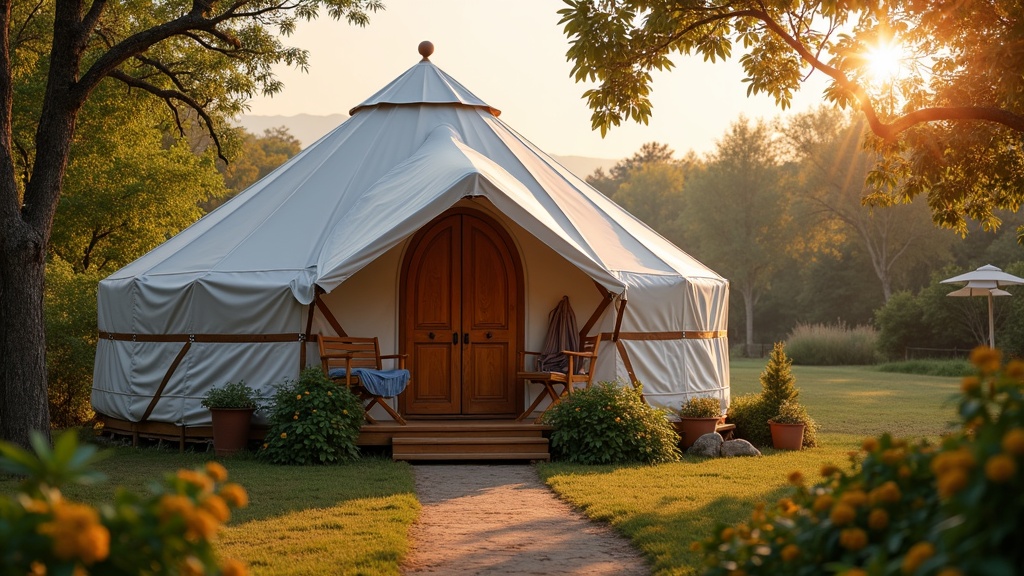
Yurt camping involves staying in a yurt, a portable, round tent traditionally used by nomadic groups in Central Asia. In the context of glamping, these structures are equipped with modern amenities like beds, heating, and sometimes private bathrooms, offering a comfortable alternative to standard camping. The yurt camping and glamping guide approach emphasizes the blend of rustic charm and contemporary convenience. As Sarah Riley, glamping business consultant and founder of Inspired Camping, notes, “Tent yurts have evolved from their traditional use as portable homes for nomadic tribes to become a popular choice for camping and glamping, offering a unique and eco‑friendly accommodation option for those who want to experience the outdoors comfortably” (Inspired Camping, 2025)[3].
Modern yurts are built with durable materials like canvas and wood, making them suitable for various climates. They often feature large windows or skylights that bring the outside in, allowing guests to feel connected to nature without sacrificing comfort. This combination has made yurts a staple in the glamping industry, appealing to families, couples, and solo travelers alike.
Key Features of a Glamping Yurt
Glamping yurts typically include a solid wooden floor, insulation, and a locking door for security. Inside, you might find a queen-sized bed, a wood-burning stove or electric heater, and furniture like tables and chairs. Some high-end yurts even offer en-suite bathrooms with hot showers and composting toilets. The circular design creates a spacious, open layout that feels larger than its square footage. For many new operators, yurts are the fastest way to enter the glamping market because they combine relatively low setup costs with high perceived value, especially when paired with strong design, private bathrooms, and sustainable energy solutions (NewGen Living, 2025)[2].
The Growing Market for Yurt Glamping
The demand for yurt camping and glamping guide experiences is surging. According to the 2025 State of Outdoor Hospitality Report, glamping accommodations now account for 29% of U.S. campers’ preferred lodging choices, a five-point increase over 2024 (Camping Business, 2025)[1]. For the first time, glamping has equaled traditional lodges in popularity, driven largely by the appeal of luxury yurts and domes. Laura Galloway, outdoor hospitality industry analyst at Camping Business, explains, “This is the first time glamping has equaled traditional lodges in our US survey, and a big part of that growth comes from the popularity of luxury yurts and domes that give guests a sense of adventure without sacrificing hotel‑level comfort” (Camping Business, 2025)[1].
International interest is also rising. Pitchup.com recorded a 20% increase in international campground searches, with Portugal seeing a 254% year‑over‑year gain, driven partly by demand for unique glamping stays (Matador Network citing Pitchup.com, 2025)[4]. Dan Yates, Founder and Managing Director at Pitchup.com, notes, “Our data from more than five million bookings shows that campers are increasingly seeking experiences that balance immersion in nature with elevated comfort, whether that’s glamping yurts, cold-plunge spas, or food‑focused stays on working farms” (Matador Network, 2025)[4].
This trend is not limited to the United States. The global outdoor hospitality market is projected to reach $4.8 billion in the U.S. alone by 2025 (NewGen Living, 2025)[2], indicating a robust appetite for glamping options. Yurts, in particular, benefit from their relatively low setup costs and high perceived value, making them an attractive investment for landowners looking to diversify their offerings. For those interested in entering this market, a comprehensive yurt camping and glamping guide can provide valuable insights into site selection, design, and operations.
Choosing the Right Yurt for Your Glamping Experience
Selecting the perfect yurt involves considering size, materials, and intended use. Yurts come in a range of diameters, typically from 12 feet to 30 feet, accommodating two to ten people. The choice depends on your target audience and the level of luxury you want to offer. A smaller yurt might be ideal for a romantic getaway, while larger structures work well for families or groups. The yurt camping and glamping guide approach recommends focusing on quality materials like marine-grade canvas and pressure-treated wood to ensure durability and weather resistance.
Insulation is another critical factor. Yurts in colder climates benefit from added insulation layers, while those in warmer regions might prioritize ventilation. Many manufacturers offer customization options, including window placement, door styles, and interior finishes. For operators, investing in a well-insulated yurt can extend the booking season into winter, maximizing revenue. Rob Duffin, Co‑founder and Director at PayCamp, observes, “Guests are willing to pay significantly more for amenities like hot tubs, saunas, and unique outdoor features, so operators who invest in well‑equipped glamping yurts are seeing higher occupancy and stronger year‑round demand” (PayCamp, 2025)[5].
Eco-Friendly and Sustainable Options
Sustainability is a key selling point for yurt glamping. Yurts have a lower environmental footprint compared to traditional cabins because they use fewer materials and often incorporate renewable energy sources like solar panels. Many operators also use composting toilets and rainwater collection systems to minimize their impact. This eco-conscious approach resonates with modern travelers who prioritize green practices. Emily Carter, outdoor lodging specialist at NewGen Living, highlights that yurts are a fast entry point for new operators due to their combination of low setup costs and high perceived value, especially when paired with sustainable energy solutions (NewGen Living, 2025)[2].
Setting Up and Operating a Yurt Glamping Site
Launching a yurt glamping site requires careful planning. Start by selecting a location with natural appeal, such as a forest clearing, mountainside, or lakeshore. Check local zoning laws and obtain necessary permits, as some areas have specific regulations for temporary structures. The yurt camping and glamping guide emphasizes the importance of a solid business plan that includes marketing, pricing, and maintenance strategies. Operators should also consider adding amenities like a fire pit, picnic area, or hiking trails to enhance the guest experience.
Once the site is ready, focus on creating a memorable stay. This includes providing high-quality bedding, thoughtful decor, and clear instructions for using any off-grid systems. Offering add-ons like breakfast baskets, guided tours, or equipment rentals can increase revenue. Marketing your site through online platforms and social media is essential, as most travelers research and book online. For those already in the outdoor hospitality space, resources like the backfillgrouting guide might seem unrelated, but the principles of site preparation and foundation stability are equally important when setting up permanent yurt platforms.
Maintenance is ongoing. Canvas covers need periodic cleaning and waterproofing, while wooden components should be treated to prevent rot. Regular inspections of the structure, especially after storms, ensure safety and longevity. With proper care, a glamping yurt can last for years, providing a steady return on investment. For those interested in the technical aspects of infrastructure, understanding how to prepare a stable base is crucial. This is where knowledge from other industries, such as the ai training gpu sector, might offer parallels in system design and maintenance, though the applications are vastly different.
Important Questions About Yurt Camping and Glamping
What is the difference between yurt camping and glamping?
Yurt camping typically refers to staying in a basic yurt without modern amenities, similar to traditional tent camping. Glamping, short for glamorous camping, involves staying in a yurt equipped with luxury features like beds, electricity, heating, and private bathrooms. A yurt camping and glamping guide will often highlight that the key difference lies in the level of comfort and services provided. Glamping yurts aim to offer a hotel-like experience in a natural setting, while basic yurt camping is more rustic.
How much does it cost to stay in a glamping yurt?
Prices vary widely depending on location, amenities, and season. In the United States, a night in a glamping yurt can range from $100 to over $500. High-end yurts with hot tubs, private bathrooms, and premium locations command higher rates. The yurt camping and glamping guide suggests that guests are willing to pay more for unique features and elevated comfort, as reflected in the growing market. Booking in advance and traveling during off-peak seasons can help secure better deals.
Are yurts suitable for winter camping?
Yes, yurts can be excellent for winter camping when properly insulated and equipped with a heating source like a wood-burning stove or electric heater. Many glamping yurts are designed for year-round use, with thick canvas walls and insulation layers that retain heat. A yurt camping and glamping guide for cold weather should emphasize the importance of checking the yurt’s insulation and heating system before booking. Guests should also bring warm clothing and bedding, as temperatures can still drop significantly at night.
What amenities are typically included in a glamping yurt?
Standard amenities in a glamping yurt include a comfortable bed with linens, furniture, lighting, and heating. Higher-end yurts may feature private bathrooms with hot showers, kitchenettes, Wi-Fi, and outdoor spaces like decks or fire pits. Some even include luxury additions like hot tubs or saunas. The yurt camping and glamping guide advises checking the listing details, as amenities vary significantly between sites. Operators who invest in well-equipped yurts often see higher occupancy and guest satisfaction.
Comparison: Yurt vs. Tent vs. Cabin Glamping
Choosing between a yurt, tent, or cabin for glamping depends on your priorities. Each option offers a different balance of comfort, cost, and experience. The following table highlights key differences to help you decide which best fits your yurt camping and glamping guide needs.
| Feature | Yurt | Tent | Cabin |
|---|---|---|---|
| Setup Cost | Moderate | Low | High |
| Durability | High | Low to Medium | Very High |
| Comfort Level | High | Low to Medium | Very High |
| Eco-Friendliness | High | Very High | Medium |
| Unique Experience | Very High | Medium | Low |
Yurts strike a balance between the low cost and portability of tents and the permanence and luxury of cabins. They offer a unique, circular design that feels both spacious and intimate, making them a standout choice for travelers seeking something different. For operators, yurts represent a relatively low-risk entry into the glamping market with high potential returns.
Practical Tips for Yurt Camping and Glamping
To make the most of your yurt experience, consider these actionable tips. First, research the site thoroughly. Read reviews, check the amenities list, and understand the location’s climate. A yurt camping and glamping guide will often stress the importance of packing appropriately, even in a glamping yurt. Bring layers of clothing, a flashlight, and any personal items you might need, as some yurts are remote and may not have nearby stores.
Second, embrace the outdoor lifestyle. While yurts offer comfort, the experience is still about connecting with nature. Plan activities like hiking, stargazing, or cooking over a campfire. Many glamping sites offer guided tours or equipment rentals to enhance your stay. Third, communicate with the host. They can provide local tips, help with any issues, and ensure your stay is enjoyable. For operators, investing in amenities like hot tubs or saunas can significantly boost bookings, as guests are willing to pay more for these features (PayCamp, 2025)[5].
Finally, consider sustainability. Leave no trace, use resources responsibly, and support eco-friendly operators. The growing popularity of yurt glamping is partly driven by its lower environmental impact, and conscious travelers appreciate efforts to minimize waste and energy use. By following these tips, you can ensure a memorable and responsible yurt glamping adventure.
For more about Tshirtinsight guide, see discover tshirtinsight guide insights.
Key Takeaways
This yurt camping and glamping guide has explored the rise of yurts as a premier glamping accommodation, driven by market trends, guest preferences, and the unique blend of comfort and nature they offer. From understanding the basics to choosing the right yurt and operating a successful site, the opportunities are vast. Whether you are a traveler seeking a unique getaway or an entrepreneur looking to enter the outdoor hospitality market, yurts provide a versatile and appealing option. To learn more about specific yurt models and setup advice, explore the resources available on our site for further insights into site preparation and infrastructure.
Further Reading
- 2025 State of Outdoor Hospitality Report: In the US, Glamping Matches Traditional Camping. Camping Business.
https://www.campingbusiness.eu/en/2025-state-of-outdoor-hospitality-report-in-the-us-glamping-matches-traditional-camping/ - Best Glamping Option for Tents, Yurts and Domes to Buy in 2025. NewGen Living.
https://newgenliving.com/glamping-option/ - The Ultimate Guide to Tent Yurts: Everything You Need to Know. Inspired Camping.
https://www.inspiredcamping.com/tent-yurts-guide/ - These Are the 6 Big Camping Trends You’ll See in 2025. Matador Network.
https://matadornetwork.com/read/camping-trends-for-2025/ - Glamping Trends: What Guests Want in 2025. PayCamp.
https://paycamp.co.uk/blog/glamping-trends-2025